


Hiking and trail running in Andorra
An entire country between 840 and 2,942 metres, nine per cent of which is UNESCO World Heritage. The Madriu-Perafita-Claror valley without a single road, high-altitude glacial lakes, staffed refuges, the GR7 and GR11. We build guided or self-guided hiking trips, from a family weekend to a seven-day trek.
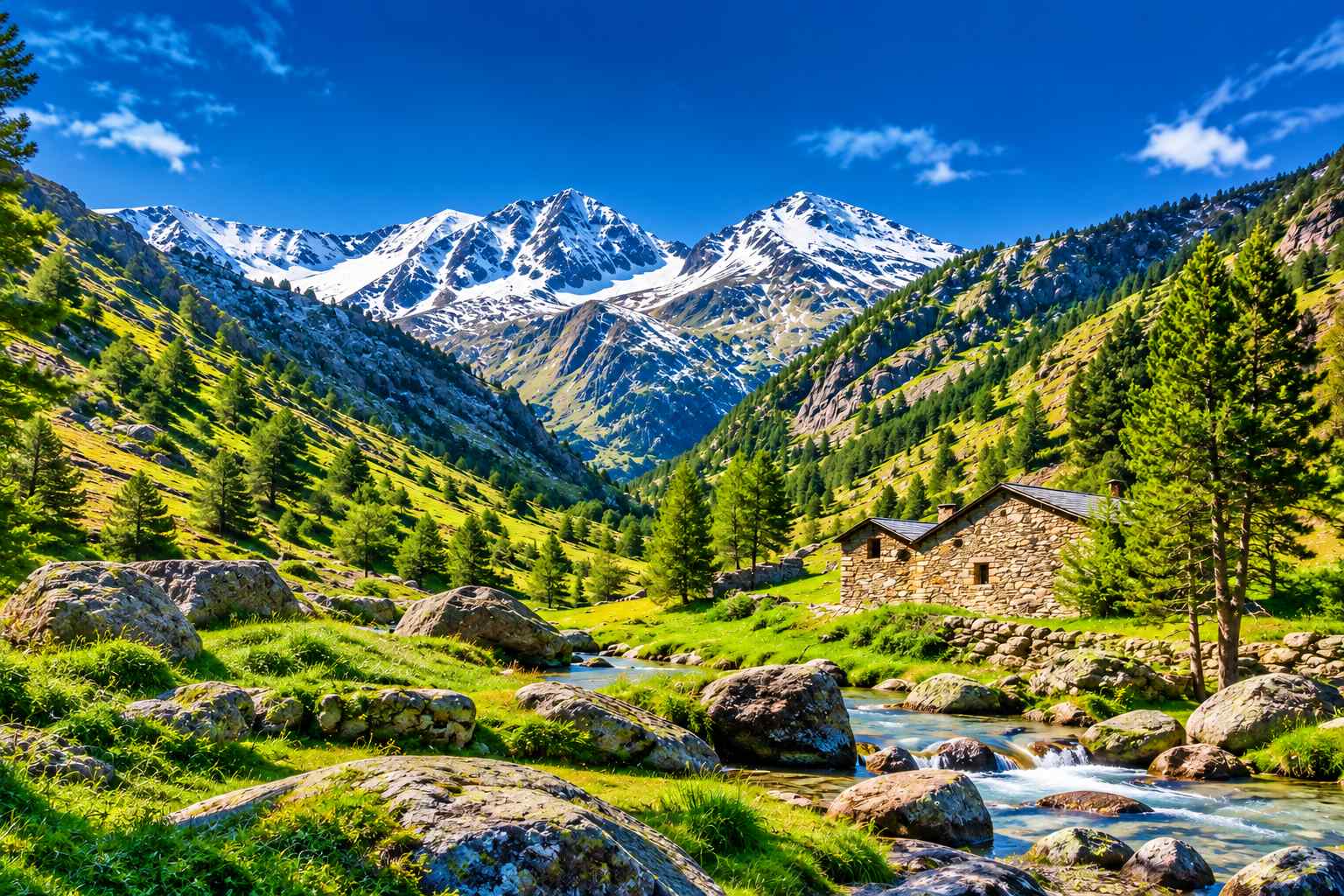
Madriu-Perafita-Claror valley
4,247 hectares, nine per cent of Andorran territory, inscribed on the UNESCO World Heritage list since 2004. The last part of the country without a single road.
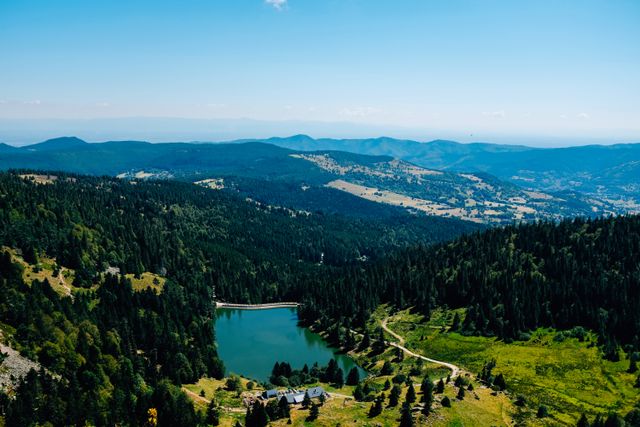
High-altitude lakes
Around twenty glacial lakes spread across the cirques of Ordino, La Massana and Encamp. Day walks or two-day loops.
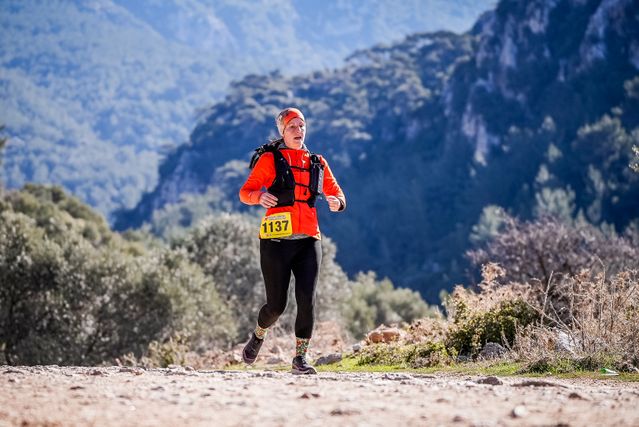
Trail running and ultra
The Andorra Ultra Trail and its ecosystem of races draw runners from across Europe every summer. Route reconnaissance, accommodation and logistics.
Hiking in Andorra: seasons, grades and routes
The hiking season generally opens in June, once the snowfields on the higher passes have melted, and closes in late September or during October depending on the year. July and August concentrate both the crowds and the heat down in the valleys; June and September offer cooler conditions and near-empty trails.
The main long-distance routes
Two GR trails cross or skirt the country and form the backbone of most treks:
- The GR7, which crosses Andorra from south to north-east
- The GR11, or Senda Pirenaica, linking the Atlantic to the Mediterranean through the country
- The Coronallacs, a five-stage loop connecting the staffed high-altitude refuges
- Day loops starting from Ordino, La Massana and Canillo
What level do you need?
Most valley routes are within reach of a regular walker with no technical experience. Crossing the passes and summits above 2,500 metres, including Coma Pedrosa, calls for good fitness and some mountain habit. We calibrate every trip to the group's actual level, not its ambition.
Refuges and accommodation
Andorra has a network of staffed and unstaffed high-altitude refuges, complemented by valley hotels. For a multi-day trek we combine the two: refuge nights on the high sections, hotel nights for recovery stages.
Hiking and recovery
Andorra's moderate altitude makes it well suited to returning to activity after an injury. Our sports recovery programmes combine a biomechanical assessment with progressive supervised hiking.
What to bring
Boots that support the ankle, a windproof layer, sun protection and at least two litres of water. Afternoon storms are common in summer, so we recommend starting early and being off the ridges by mid-afternoon.
Ce qu'on nous demande le plus souvent
When is the hiking season in Andorra?
It generally opens in June, once the snowfields on the higher passes have melted, and closes in late September or during October. June and September offer the best conditions and the fewest people.
Is the Madriu valley open to everyone?
Yes, access is free and unrestricted. It is a roadless valley, UNESCO-listed since 2004, reached only on foot from Escaldes-Engordany or over the high passes.
Do I need a guide?
Not for waymarked valley routes. A mountain leader becomes advisable for pass crossings, summits above 2,500 metres and multi-day self-guided treks.
Can I sleep in mountain refuges?
Yes. Andorra has both staffed and unstaffed high-altitude refuges. Staffed refuges must be booked ahead in high season, which we handle.
Are the routes suitable for families?
Many are. We select itineraries according to the children's ages, with loops of two to four hours and reliable water points.
What equipment do I need?
Boots supporting the ankle, a windproof layer, sun protection and at least two litres of water. Afternoon storms are common in summer, so start early.
Planning your hike
Your hiking trip, matched to your actual level.
Tell us your dates, your mountain experience and how many days you have. We propose two or three itineraries with accommodation and transfers.